
Accelerated Resolution Therapy Intensives

Weekly therapy asks you to open something painful at 4:00 and be functional again by 5:00. Then you drive home, go back to work, and wait seven days to pick it up again.For some people that rhythm works.
For others it is the reason therapy never quite gets anywhere. You spend the first twenty minutes of every session climbing back to where you left off, and by the time you are actually in it, the hour is over.
An intensive removes that problem. One block of time, nothing else on the calendar, and room to finish what you started.
What an ART intensive is
Accelerated Resolution Therapy uses guided eye movements to work with how a distressing memory is stored, rather than requiring you to describe it in detail. The goal is not to forget what happened. The goal is to keep the knowledge and lose the physical charge, so the memory stops hijacking your body when something reminds you of it.
In an intensive, we do that work in a single concentrated visit instead of spreading it across weeks.
What your intensive includes
Intake. A dedicated session to understand your history, identify the specific target, and confirm an intensive is right for you.
The ART session. The core work, with time to go where it needs to go rather than watching the clock.
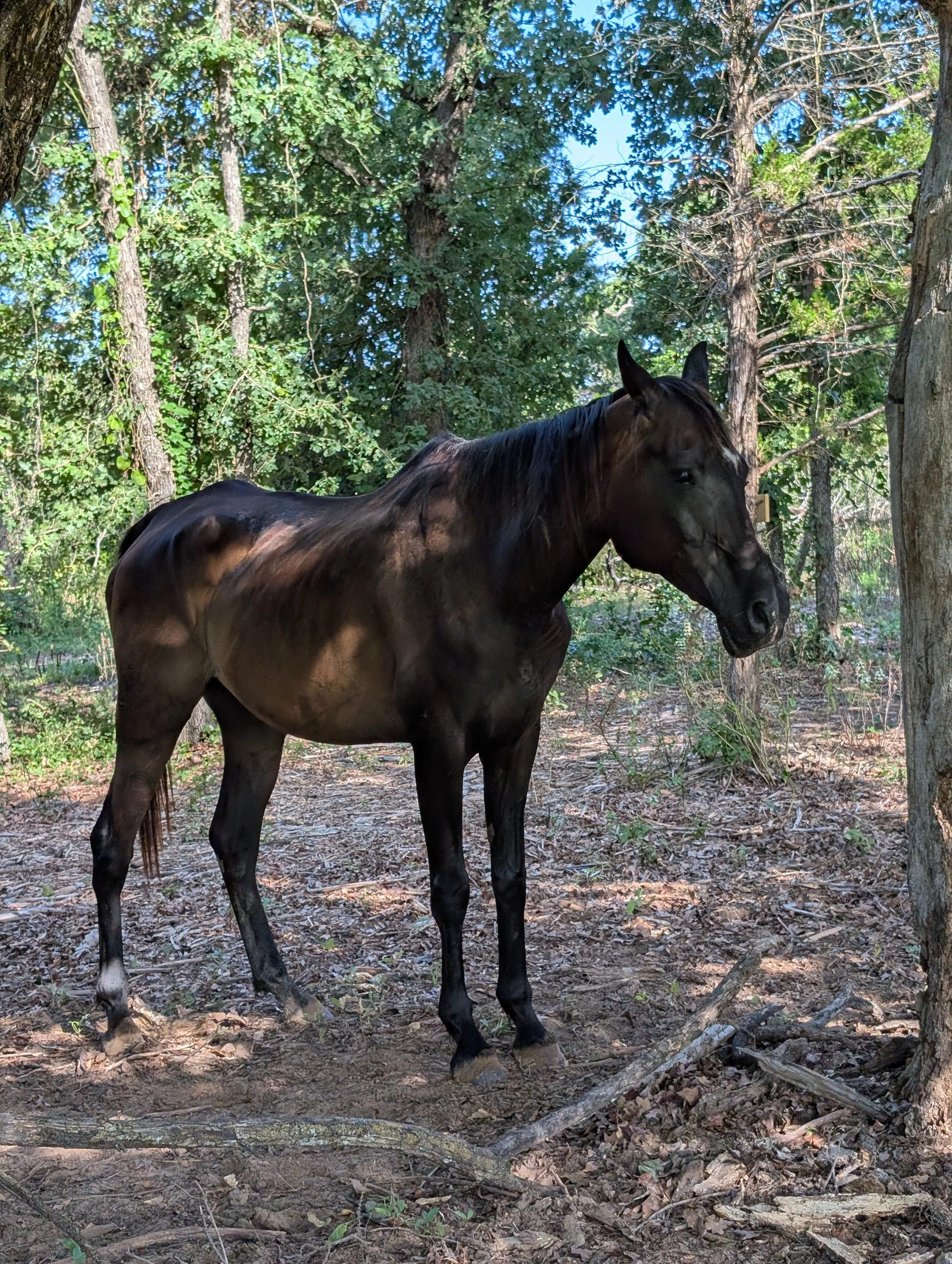
Decompress with the horses. Unhurried time on the property with our horses before you drive home. This is not a treatment session and nothing is asked of you. It exists so your nervous system has somewhere to land before you re-enter your life.
ART Process Session. One week later, online or in person, to work with whatever has surfaced since.
Therapist summary. A written summary of the work, yours to keep
The intake, the ART session and the horses happen in one half day of about three hours. The process session follows a week later.
Why the format matters
Three things change when you compress the work.
You stop paying the re-entry tax. In weekly therapy a meaningful share of every session goes to re-establishing context and re-regulating at the end. In an intensive that overhead happens once.
You are not interrupted at the worst moment. Trauma processing does not run on a fifty-minute clock. Having three hours means the session can follow the work instead of the schedule.
You get to land before you leave. This is the part most intensives skip. Going straight from processing into rush-hour traffic is its own kind of harm. The time with the horses is deliberate, and it is why we built the half day the way we did rather than stacking sessions back to back.
Who tends to do well with an intensive
People with a specific target: one event, one recurring image, one reaction that will not stand down
People whose schedules make weekly therapy unrealistic, including shift workers, first responders, clinicians and parents of young children
People who have done talk therapy before and can narrate their story fluently without feeling any different
People who travel to us from outside the Metroplex and would rather come once than come repeatedly
An intensive is not the right starting place for everyone. If you are in acute crisis, or need ongoing stabilization before doing focused trauma work, we will tell you that at intake and help you find the right next step.
Intensive Therapists
-
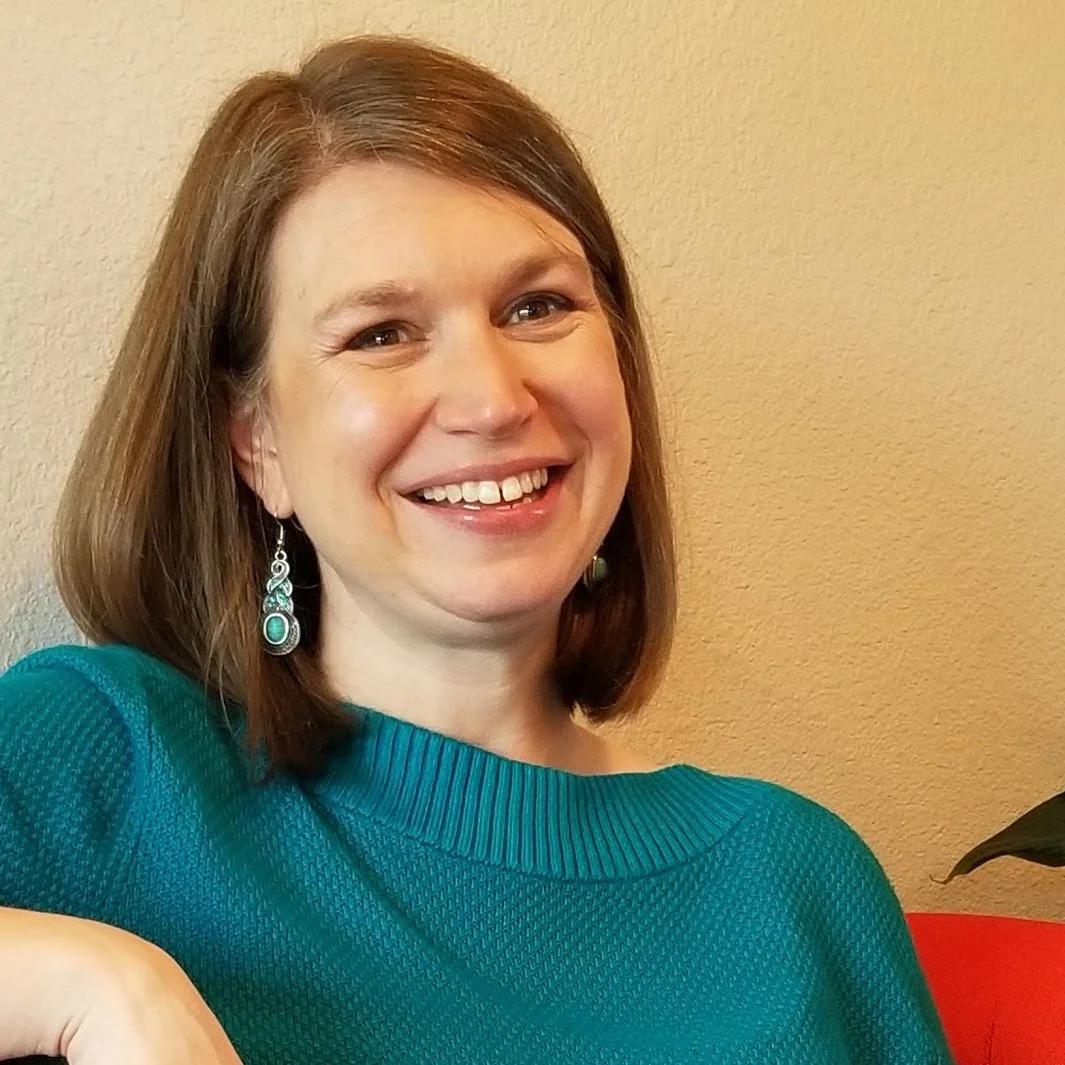
Rachel Nauss, LCSW-S
COO
-
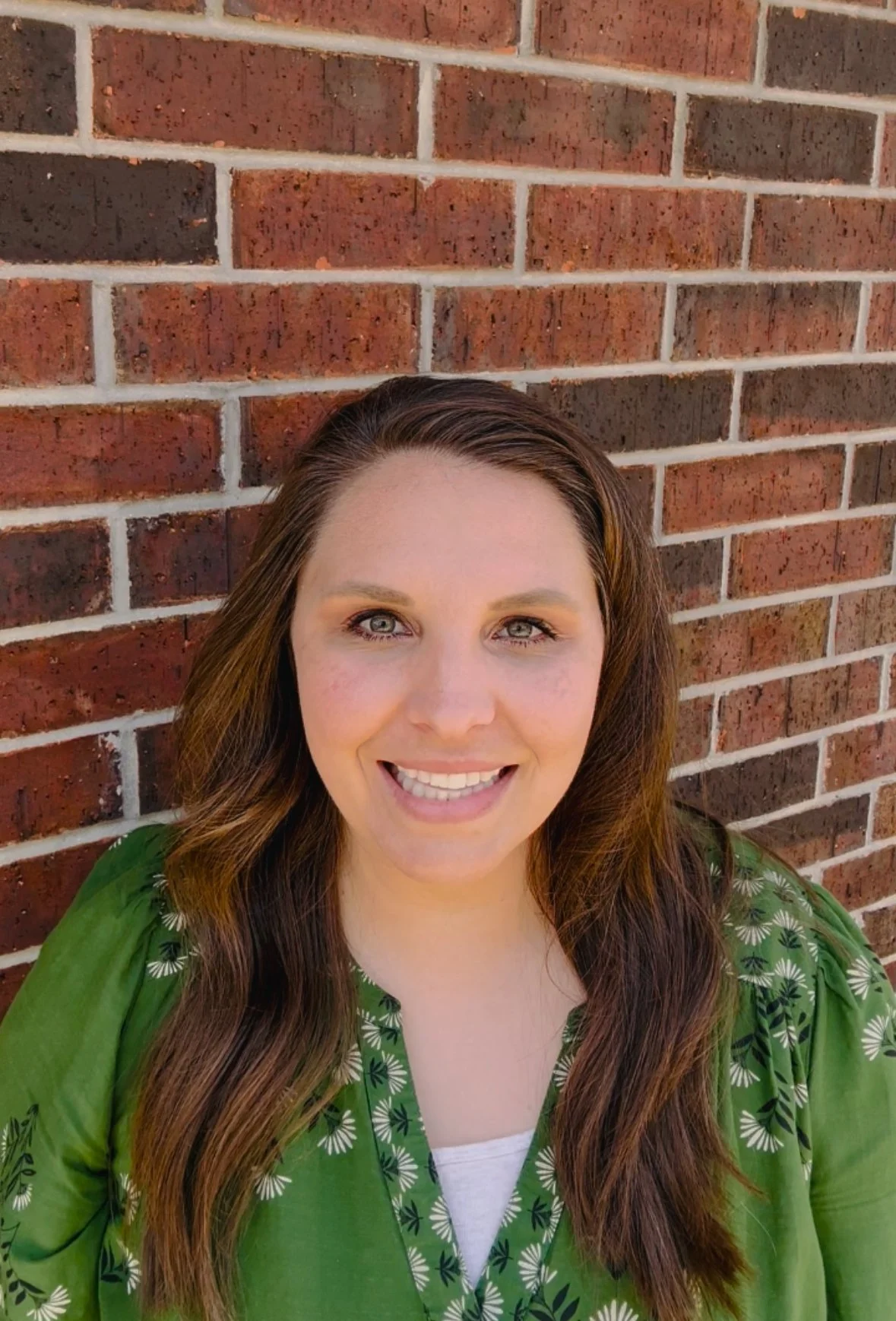
Jessica Barber LCSW-S
CEO
-
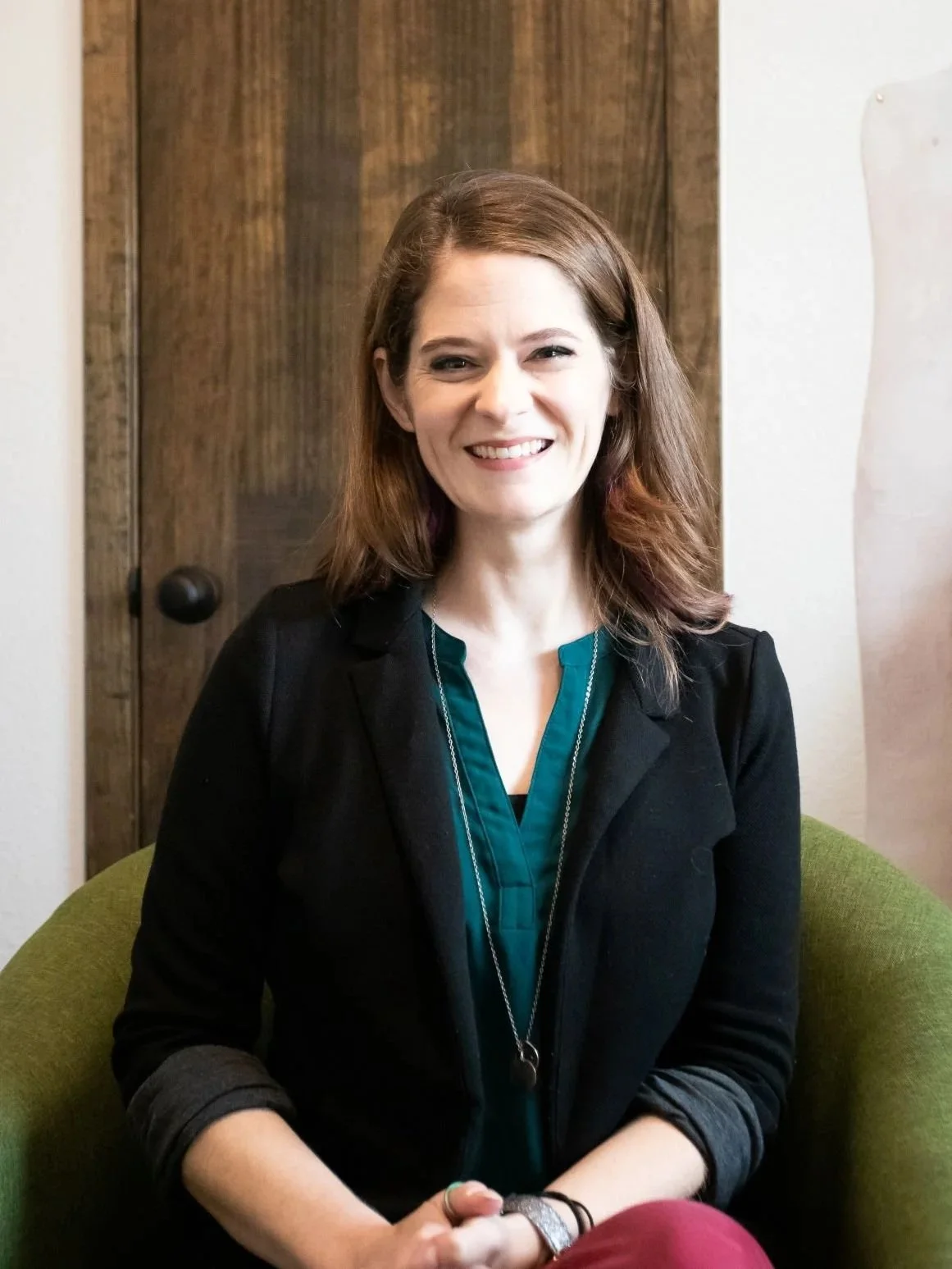
Rachel Malquist LPC-S
FOUNDER
What the research says
We want to be straight with you about what is established and what is not.
ART itself has been studied in controlled trials. In a randomized controlled trial of 57 service members and veterans, ART was delivered in an average of 3.7 sessions with a 94% completion rate, and produced significantly greater reductions in PTSD symptoms, depression, anxiety and trauma-related guilt than the control condition, with benefits holding at three months (Kip et al., 2013).
It has worked for people who did not respond to first-line treatment. Among veterans who had already completed cognitive processing therapy or prolonged exposure without sufficient benefit, 88% showed a clinically significant response to ART at post-treatment and 75% still did at six months, with a large effect size (Pang et al., 2023).
Compressed formats have held up against weekly ones. This research is on other trauma protocols, not on ART specifically, and we want that distinction clear. In a randomized trial of 366 military personnel, prolonged exposure delivered in 10 sessions over two weeks was statistically non-inferior to the same treatment spread over eight weeks (Foa et al., 2018). In a separate randomized trial, seven-day intensive cognitive therapy for PTSD produced a 73% recovery rate compared with 77% for standard weekly cognitive therapy, with equally low dropout in both (Ehlers et al., 2014).
On the horses. Equine-assisted work with veterans has shown promise in an open trial of 63 participants, though the authors were explicit that randomized trials are still needed (Fisher et al., 2021). We include the horses as decompression rather than as a treatment in its own right, and we do not claim otherwise.
Kip, K. E., Rosenzweig, L., Hernandez, D. F., et al. (2013). Randomized controlled trial of accelerated resolution therapy (ART) for symptoms of combat-related post-traumatic stress disorder (PTSD). Military Medicine, 178(12), 1298-1309.
Pang, T., Murn, L., Williams, D., Lawental, M., Abhayakumar, A., & Kip, K. E. (2023). Comparison of accelerated resolution therapy for PTSD between veterans with and without prior PTSD treatment. Military Medicine, 188(3-4), e621-e629.
Foa, E. B., McLean, C. P., Zang, Y., et al. (2018). Effect of prolonged exposure therapy delivered over 2 weeks vs 8 weeks vs present-centered therapy on PTSD symptom severity in military personnel: A randomized clinical trial. JAMA, 319(4), 354-364.
Ehlers, A., Hackmann, A., Grey, N., et al. (2014). A randomized controlled trial of 7-day intensive and standard weekly cognitive therapy for PTSD and emotion-focused supportive therapy. American Journal of Psychiatry, 171(3), 294-304.
Fisher, P. W., Lazarov, A., Lowell, A., et al. (2021). Equine-assisted therapy for posttraumatic stress disorder among military veterans: An open trial. The Journal of Clinical Psychiatry, 82(5), 21m14005.
Accelerated Resolution Therapy research library.
Investment
A $195 non-refundable deposit holds your dates and covers the intake portion. The remaining $550 is due before your half day begins.
If the intake tells us an intensive is not the right fit for you right now, you keep the intake work and the $550 balance is refunded. You are not committing $745 before anyone has met you.
We are private pay and do not bill insurance.
$745 for the complete intensive.
Common questions
Do I have to talk about what happened?
No. ART works with the images and sensations attached to the memory rather than the narrative. You can get significant benefit without describing the event out loud. Many people find this is what makes ART possible for them when other approaches were not.
Is one intensive enough?
For a single, well-defined target, often yes. That is what the process session a week later is for: to see what actually shifted and whether anything else needs attention. Some people book a second intensive later for a different target. We will tell you honestly what we think.
What if I get overwhelmed during the session?
You stay in control the entire time. ART is designed so that you can pause, slow down, or stop. Your therapist is watching for this, and the built-in decompression time afterward exists precisely because processing does not end the moment the session does.
Can I do the process session online?
Yes. The process session can be online or in person, whichever works for your schedule.
Do you take insurance?
No. We are private pay. Insurance requires a billable mental health diagnosis that stays in your record permanently, and it lets a third party decide how much treatment you are allowed.
What is the deposit for?
The $195 deposit holds your dates and covers the intake portion of the intensive. It is non-refundable because the intake is real work that gets done. If the intake shows an intensive is not right for you, the $550 balance is refunded.
Book your intensive
Dates are limited because each intensive takes a half day of a therapist's schedule.
Checking open intensive dates…
Let's book you personally
Online scheduling isn't available right now. Call or text 817-941-0100 or email info@hopeplacetx.com and we'll find your half day together — it takes five minutes.
Choose your half day
Pick a therapist to see their open 3-hour blocks. All times Central.
Almost there
When asked, can you hold a single thought or scene in your mind for a little while?
Do you have a pending court case or legal proceeding related to the memory you want to work on?
When you imagine a scene — a beach, a kitchen — what happens?
There's no wrong answer; it just helps your therapist choose the right language.
Do you have an eye condition or recent eye surgery, or do side-to-side eye movements cause you pain or migraines?
Have you had a seizure in the past year?
One moment — checking your time is still open…
Reserve it with your deposit
A $195 non-refundable deposit reserves your time and covers the intake portion of your intensive. The $550 balance is charged the business day before your visit ($745 total). Your intensive must be completed within 90 days of purchase.
Let's talk first — that's a good thing
One of your answers means a quick phone call is the right next step before booking. We'll call you within one business day, and we've noted your preferred time. Rather talk now? Call or text 817-941-0100.
No payment was taken.
ART Intensives are for adults
Our intensives are for ages 18 and up — but we do work with younger clients in other formats. Call or text 817-941-0100 and we'll find the right fit.
That time was just taken
Someone completed their deposit for that block moments ago. Your card was not charged. Here's what's still open:
Checking your booking…
If you just paid: confirmations take a few minutes and this page updates itself — your email is on its way either way. If nothing changes in ten minutes, call or text 817-941-0100.
You're booked! 🎉
What happens next:
- Your consent forms arrive by email through Jane, our practice system — please complete them before your visit.
- You'll get a welcome email to your personal client portal — your written therapist summary is delivered there after your intensive.
- We'll email a preparation guide with everything to know.
- The $550 balance is charged the business day before your visit.
Questions? Call or text 817-941-0100.
We owe you a call
Your deposit went through, but that exact block was claimed seconds before yours. Our team has been alerted and will call you today to seat you in the nearest open time — or refund you in full, your choice. Sooner: 817-941-0100.