The Clinical Eye, A Mother’s Heart: Navigating Aspiration and Sleep Apnea with Myofunctional Therapy
Finding out your child is aspirating on liquids can be overwhelming, knowing how to thicken liquids, and recognize the signs of aspiration are areas for which parents are never prepared beforehand. As a pediatric speech-language pathologist, I know what to look for from a clinical perspective but as a mom of a child diagnosed with silent aspiration I also know the daily impact this can have on a family's routines. When I searched for the best care to help my son get off thickened liquids, finding a provider who offered Neuromuscular Electrical Stimulation (NMES) was extremely difficult. The process took hours on the phone with clinics and insurance companies to get my son the care he needed. During this experience I decided to become trained in providing this service to help support other families in the same way I needed support as a mom.
How Myofunctional Therapy Can Help Children Thrive
Many parents are familiar with speech therapy or feeding therapy, but fewer have heard of orofacial myofunctional therapy. Heather is passionate about educating families on how important oral muscle function can be to a child’s overall health, development, and quality of life. Through her own experience with her son being diagnosed with obstructive sleep apnea and airway difficulties she has committed to learning as much as she can on how to help others in this area as well.
Through her work with children and families, Heather has seen how challenges such as mouth breathing, tongue thrust, feeding difficulties, and poor oral habits can affect much more than just speech. These patterns can impact sleep, eating, dental development, focus, and even a child’s confidence. Her goal is to help families better understand the “why” behind these challenges and provide support that helps children thrive long-term.
What Is Myofunctional Therapy?
Orofacial myofunctional therapy is a specialized therapy program focused on improving the strength, coordination, and function of the muscles of the face, mouth, and tongue. Therapy helps retrain oral muscle patterns and supports healthy habits that are important for daily function and development.
Heather works with children on skills related to:
Breathing
Chewing
Swallowing
Tongue placement
Lip closure
Nasal breathing
Eliminating oral habits such as thumb sucking, digit sucking, or prolonged pacifier use
When these muscle patterns are not functioning properly, children may develop difficulties that affect speech, feeding, sleep, dental growth, and overall wellness.
Signs a Child May Benefit from Myofunctional Therapy
Some signs are very noticeable, while others are often overlooked or mistaken as “normal childhood habits.” Heather frequently helps families connect symptoms that may initially seem unrelated.
A child may benefit from myofunctional therapy if they:
Frequently breathe through their mouth
Snore or sleep with an open mouth
Have difficulty chewing or swallowing
Push their tongue forward when swallowing
Have speech sound difficulties
Experience messy eating or excessive drooling
Struggle to keep their lips closed at rest
Have orthodontic concerns related to tongue posture
Grind their teeth
Have prolonged thumb sucking or pacifier use
Heather believes many parents feel relieved when they finally understand that these challenges may all stem from oral muscle function and tongue posture and get answers to questions they have been asking.
Benefits of Myofunctional Therapy
Improved Breathing Patterns
One of the main goals of therapy is encouraging nasal breathing instead of mouth breathing. Heather educates families on how proper nasal breathing supports better oxygen intake, healthier facial development, improved sleep quality, and overall regulation throughout the day.
Better Feeding and Eating Skills
Children with oral muscle weakness or poor coordination may struggle with chewing, swallowing, or managing textures. Heather uses myofunctional therapy techniques to help children improve oral strength and coordination so eating can feel safer, easier, and less stressful.
Support for Speech Development
Tongue placement and oral muscle coordination play a significant role in speech production. Heather often incorporates myofunctional principles into speech therapy to help support clearer speech and improve articulation patterns for children with orofacial myofunctional disorders.
Improved Sleep Quality
Children who mouth breathe or snore may experience disrupted sleep and daytime fatigue. Heather helps families understand how improving oral muscle function and breathing patterns may positively impact sleep quality, focus, and energy levels. Sleep is such an important thing for our children to help support them in their day to day life. When her son was diagnosed with obstructive sleep apnea at such a young age supporting healthy sleep by addressing underlying OMDs (orofacial myofunctional disorders) was a passion she developed.
Healthy Oral and Dental Development
Improper tongue posture and oral habits can influence jaw growth, tooth alignment, and orthodontic outcomes. Heather collaborates with families and other professionals to support healthy oral development and long-term success.
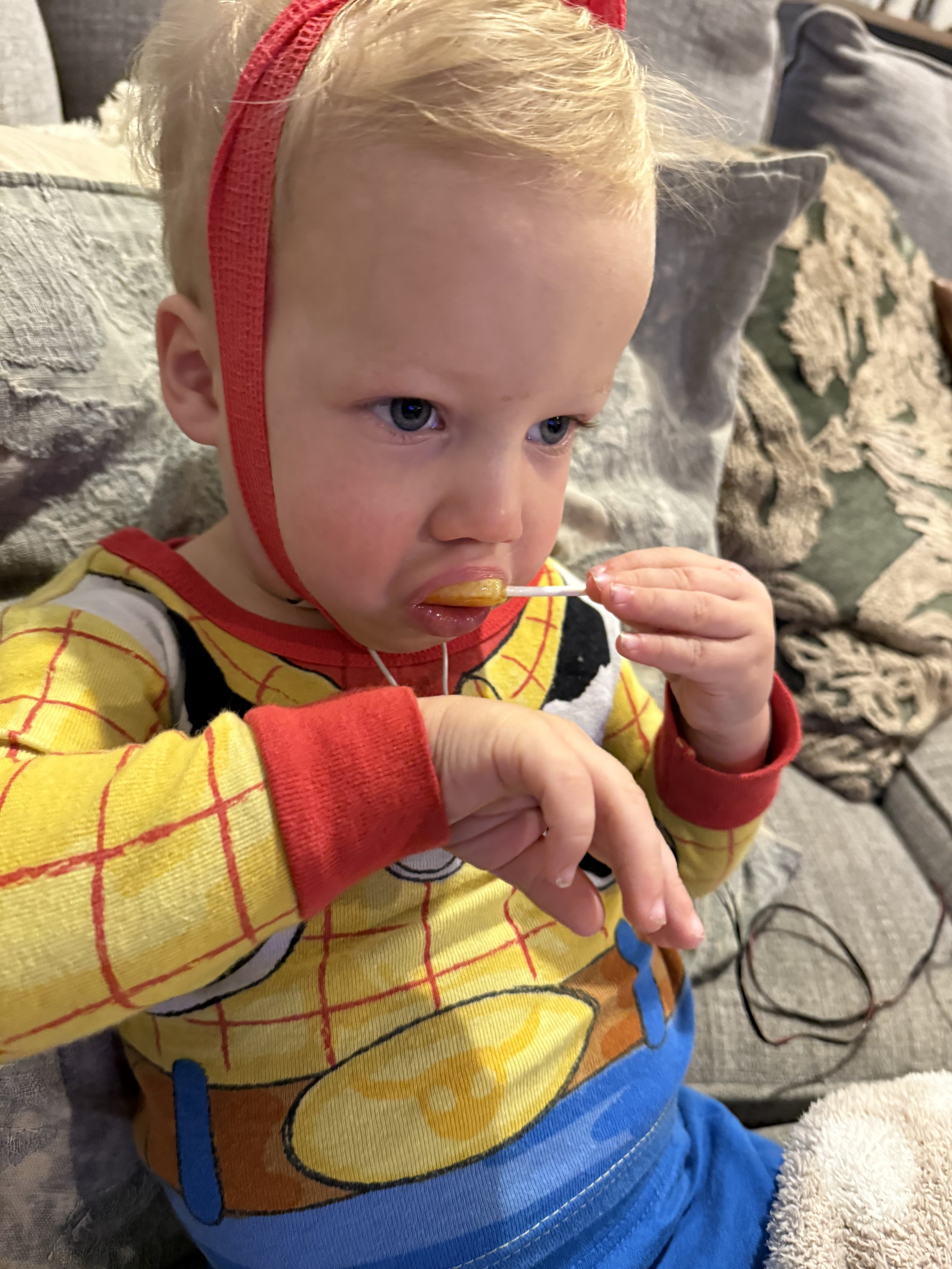
What Does Therapy Look Like?
Heather believes therapy should feel encouraging, engaging, and achievable for children. Myofunctional therapy is individualized to each child’s needs and may include:
Fun oral motor exercises
Breathing exercises
Tongue strengthening and positioning activities
Lip closure exercises
Chewing and swallowing practice
Home exercises to support carryover
Sessions are designed to be supportive and age-appropriate while helping children gradually build healthier oral habits over time. Heather is trained in understanding the orofacial complex and through the Simon Says programs: tiny tongue tips, tongue tips, and thumbs up. She will use an individualized plan depending on each child’s needs to address the appropriate areas.
Early Support Makes a Difference
Many oral habits and muscle patterns begin early in childhood. Heather emphasizes the importance of early intervention because addressing concerns sooner can help prevent future challenges and support healthier growth and development.
If parents notice signs such as mouth breathing, tongue thrust, feeding difficulties, speech concerns, or prolonged oral habits, a myofunctional evaluation may be beneficial.
Heather is passionate about helping families understand that even small changes in oral function and proper tongue resting posture can make a significant difference in a child’s everyday life. From breathing and sleeping to eating and speaking, these foundational skills impact so many aspects of a child’s well-being and future development.
Her goal is to help children feel more confident, comfortable, and successful while giving parents the education and support they need along the way.

Written by: Heather McCarley, M.S., CCC-SLP
Speech-Language Pathologist
Heather has advanced training and specialization in pediatric feeding and dysphagia, orofacial myofunctional therapy, speech sound disorders, and early language development. Her approach is rooted in evidence-based practice and delivered through a thoughtful, play-based, and highly individualized model of care.
For any questions she can be reached at heather.mccarley@hopeplacetx.com