
The Clinical Eye, A Mother’s Heart: Navigating Pediatric Aspiration with AmpCare
Finding out your child is aspirating on liquids can be overwhelming, knowing how to thicken liquids, and recognize the signs of aspiration are areas for which parents are never prepared beforehand. As a pediatric speech-langauge pathologist, I know what to look for from a clinical perspective but as a mom of a child diagnosed with silent aspiration I also know the daily impact this can have on a family's routines. When I searched for the best care to help my son get off thickened liquids, finding a provider who offered Neuromuscular Electrical Stimulation (NMES) was extremely difficult. The process took hours on the phone with clinics and insurance companies to get my son the care he needed. During this experience I decided to become trained in providing this service to help support other families in the same way I needed support as a mom.
What Is Aspiration?
Aspiration occurs when food or liquid enters the airway or lungs instead of traveling down the esophagus to the stomach. Some children may cough or choke when this happens, while others experience “silent aspiration,” where there are no obvious signs during feeding.
Signs of aspiration may include:
Coughing or choking while drinking
Wet or gurgly vocal quality
Frequent respiratory illnesses or pneumonia
Watery eyes during feeding
Difficulty coordinating swallowing
Long feeding times
Refusal of liquids or certain textures
Congestion during or after meals
A swallowing evaluation, such as a modified barium swallow study, is often used to determine whether aspiration is occurring. Then based on the results and overall medical history of the child, AmpCare might be recommended to help strengthen the muscles of the swallow.
What Is AmpCare?
AmpCare is a therapeutic program that combines neuromuscular electrical stimulation (NMES) with targeted swallowing exercises to help improve swallowing strength and coordination.
The therapy uses small electrical impulses delivered through electrodes placed on the neck to stimulate the muscles involved in swallowing. These impulses are paired with functional swallowing exercises.
The goal is to strengthen the swallowing muscles and improve the timing and coordination needed for safer swallowing.
How Can AmpCare Help Pediatric Patients?
Children with dysphagia may have weakness or poor coordination in the muscles used for swallowing. AmpCare can help support improved muscle activation and swallowing function in some pediatric patients.
Potential benefits may include:
Improved swallowing safety
Reduced aspiration risk
Increased strength and coordination of swallowing muscles
Improved tolerance of liquids and textures
Greater ability to meet nutritional and hydration needs orally
Reduced dependence on thickened liquids or alternative feeding methods in some cases
Every child responds differently, and therapy plans are individualized based on the child’s medical history, swallowing study results, and overall needs.
Which Children May Benefit from AmpCare?
AmpCare may be considered for pediatric patients with swallowing difficulties related to:
Neurological conditions
Developmental delays
Prematurity
Muscle weakness
Pediatric dysphagia
Aspiration identified on swallow studies
As a trained speech-language pathologist, Heather will determine whether a child is an appropriate candidate for this type of therapy after a full detailed case history is taken.
What Does Treatment Look Like?
During therapy sessions Heather will:
Apply electrodes with adhesive externally on the neck
Gentle electrical stimulation is delivered to targeted swallowing muscles, activating a swallow
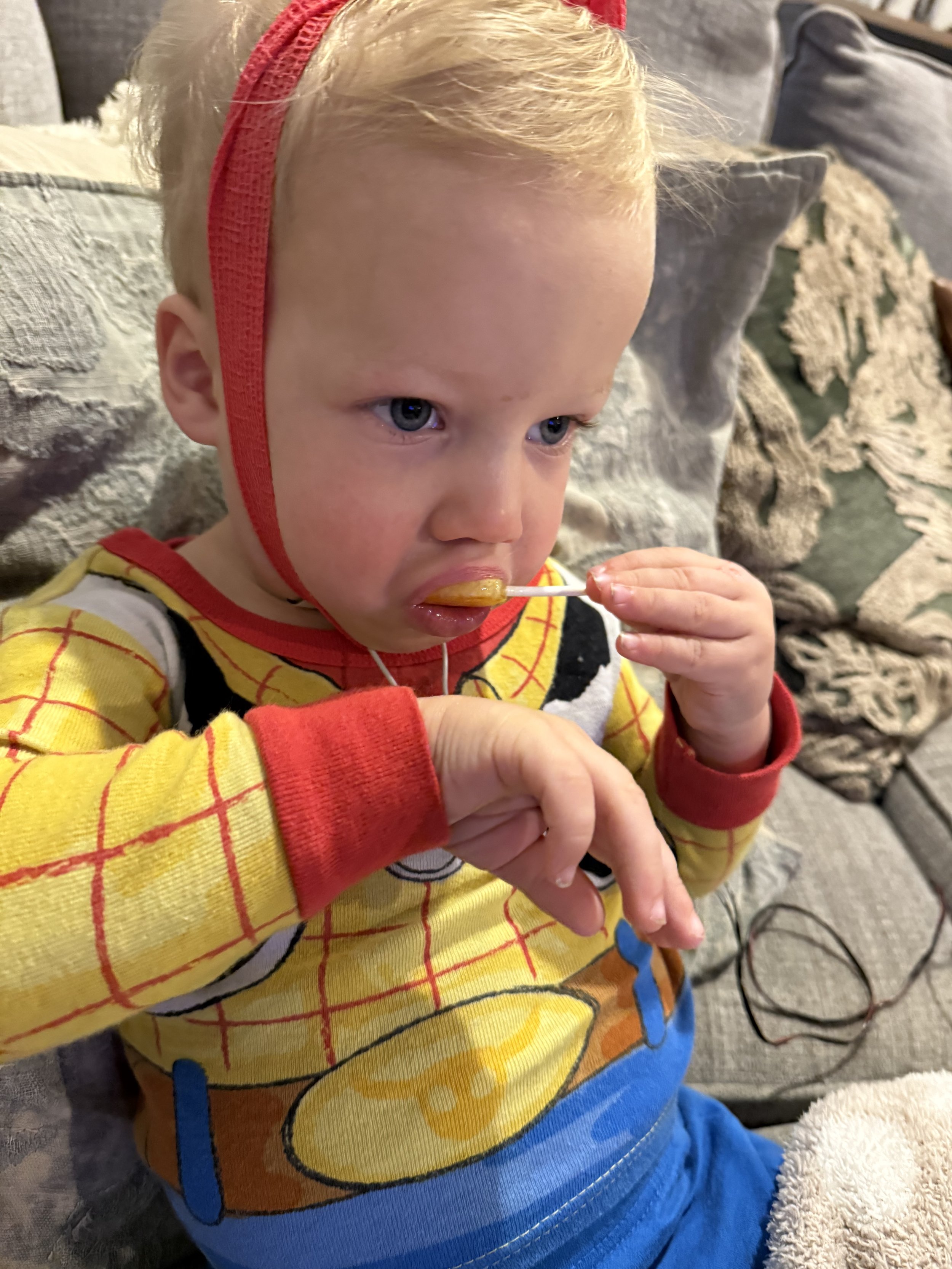
The child participates in swallowing exercises and functional practice during stimulation by sucking on a lollipop, popsicle, etc.
Heather closely monitors therapy sessions and adjust treatment as needed
Treatment is designed to be safe, individualized, and supportive while helping children build stronger swallowing skills over time.

Heather is a pediatric speech-language pathologist dedicated to helping children grow in their communication, feeding, and oral motor skills with confidence and ease. She is passionate about creating positive, supportive experiences that foster a healthy relationship with both communication and food.
Found this helpful?
If you’d like someone from our office to reach out, leave your details and we’ll get back to you. No obligation, and nothing is shared.
Thank you — we’ll be in touch.
If it’s urgent, call or text us on 817-941-0100.
